Search “aluminum company in Saudi Arabia” and you get a strange mix of results. Some pages talk about a state-backed mining giant smelting metal on the Gulf coast. Others list small window and door workshops in Riyadh or Dammam. A few are just directories with addresses and nothing else.
The confusion is understandable, because “aluminum company” in Saudi Arabia can mean two very different businesses. One mines bauxite and smelts raw metal. The other cuts, welds, and installs finished aluminum systems on actual buildings. If you’re a homeowner or contractor trying to source windows for a villa, the first type of company won’t even take your call. This guide separates the two, gives you real pricing context in Saudi riyals, and walks through what actually matters when picking a fabricator for a construction project.
Producers vs Fabricators: The Distinction Most Lists Skip
Almost every “top aluminum companies” list in Saudi Arabia lumps together smelters, extrusion mills, die-casters, and window installers as if they compete for the same customer. They don’t.
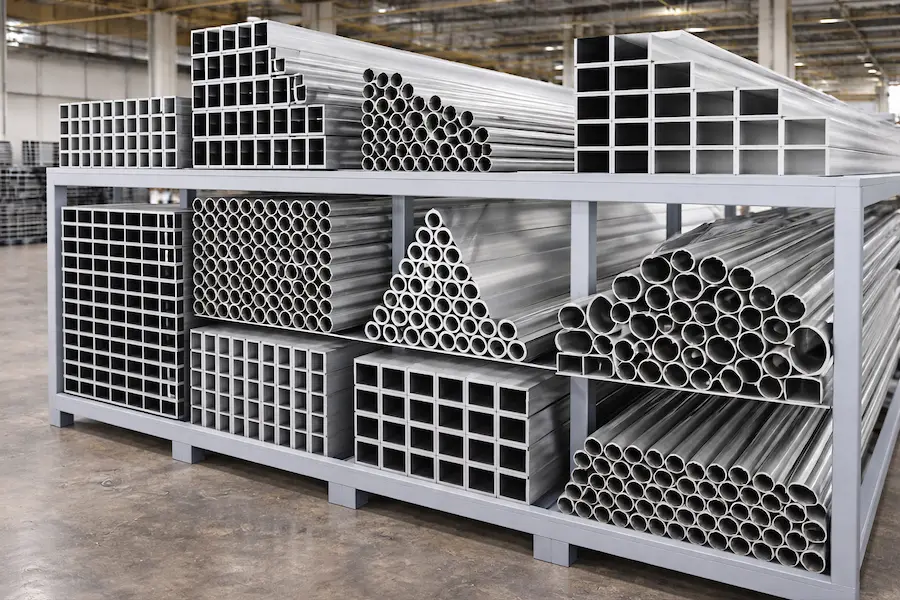
- Producers and primary manufacturers mine bauxite, refine it into alumina, and smelt it into ingots, billets, or rolled sheet. Ma’aden is the dominant name here, and there really isn’t a close second in the Kingdom. These companies sell metal by the ton to industrial buyers, not finished products to homeowners.
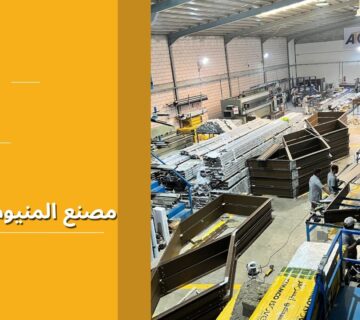
- Downstream fabricators buy aluminum profiles (often already extruded by mills using Ma’aden-supplied metal or imported billet) and turn them into windows, doors, curtain walls, cladding, and facade systems. This is where companies like ALUPCO, SALUMCO, Al Samman Group, Rataal, and regional workshops operate, alongside contractors such as ATCE who handle fabrication and on-site installation for residential and commercial projects.
Knowing which category you need saves time. A developer sourcing raw billet for a rolling mill needs a producer. A villa owner replacing sliding doors needs a fabricator.
Read more about:Aluminum Glass Door | Benefits, Styles & Guide
The Primary Producer: Ma'aden Aluminium
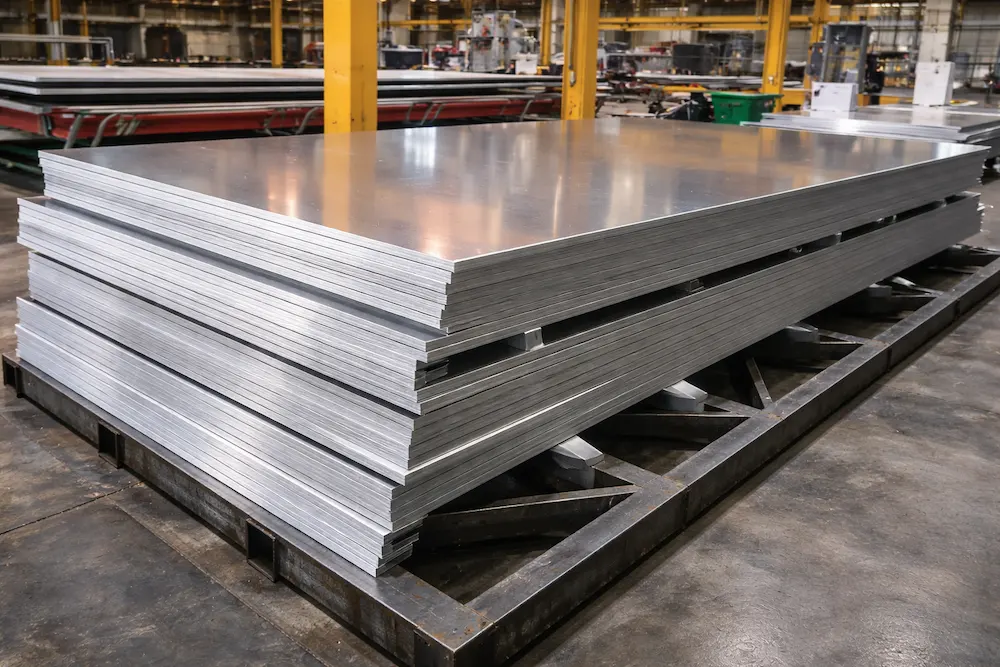
Ma’aden’s aluminum business is built around the Ras Al Khair complex on the Eastern Province coast, developed originally as a joint venture with Alcoa. The operation covers everything from mining bauxite in Al Ba’itha to smelting and rolling aluminum, and the site now produces over 1 million tons per annum of premium grade metal that feeds Saudi Arabia’s construction, automotive, and packaging industries. The smelter’s original design capacity was around 740,000 tons a year of ingot, slab, and billet, alongside a rolling mill built to produce roughly 380,000 tons of sheet annually for cans, construction, and automotive uses.
This scale is also why global trade data shows Saudi Arabia as a net exporter of unwrought aluminum, with meaningful volumes going to Japan, South Korea, and Thailand. For most readers this matters as context rather than a shopping decision. Unless you’re procuring metal at industrial scale, Ma’aden isn’t who you call to fit a curtain wall on a Jeddah tower.
Leading Fabrication and Installation Companies
Beneath the primary producer sits a much larger, more fragmented layer of companies that actually shape aluminum into something a building can use.
- ALUPCO is one of the country’s better known extrusion and downstream players, recently expanding into modular housing and solar frame manufacturing through a joint venture aimed at building what’s described as the largest integrated downstream aluminum base in the Kingdom.
- SALUMCO (Saudi Aluminum Industries Company) has a long track record in architectural aluminum profiles and finishing, frequently showing up in searches for aluminum profile suppliers and factories based in Riyadh.
- Al Samman Group focuses on facade and glass-aluminum systems engineered with thermal and acoustic insulation, positioning itself specifically around Saudi climate conditions rather than generic profiles.
- Rataal (Rukn al-Tabareej), based in Riyadh, is a smaller but established fabricator working on windows and doors for residential and light commercial clients.
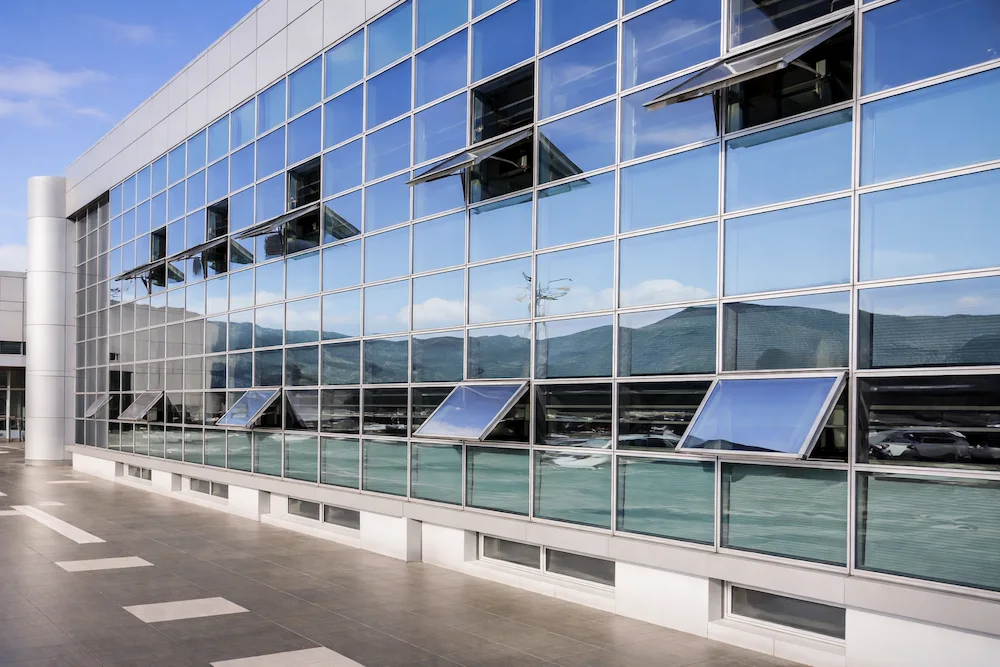
Alongside these are dozens of city-level fabricators in Riyadh, Jeddah, Dammam, and Khobar, including companies like ATCE, that handle aluminum doors, windows, curtain walls, and glass systems for individual projects rather than industrial supply contracts. This is the layer most homeowners, architects, and contractors actually need to evaluate.
What Does Aluminum Cost in Saudi Arabia in 2026?
Pricing is the part almost every competing page gets vague about, so here’s what the data actually shows, with clear notes on what’s confirmed versus estimated.
- Raw metal pricing tracks global LME aluminum prices closely, since Saudi Arabia is plugged into international trade flows. Export prices from Saudi Arabia have hovered in the range of roughly $2,600 to $3,000 per ton in recent years, with sharper spikes reported by local distributors during supply crunches (one Saudi manufacturer reported prices touching around $3,190 per ton during a 2025 surge). Converted at the fixed SAR/USD peg of 3.75, that puts raw aluminum somewhere around SAR 9,750 to 11,600 per ton as a working estimate, not a fixed quote, since prices shift weekly with global commodity markets.
- Fabricated product pricing is a different story, since it depends on profile design, glazing, and finish. Government construction materials data tracks a common architectural item, an arch-side aluminum unit at 5.8 meters, at roughly SAR 92 to 94 per unit as of early 2026, up gradually from the low SAR 60s a few years earlier. That single data point illustrates a broader trend: aluminum construction material costs in the Kingdom have been climbing steadily rather than spiking randomly, which is useful context if you’re budgeting a project months in advance.
For a finished job, expect fabricators to quote per square meter or per opening rather than per ton, since labor, thermal break inserts, glass type, and hardware all move the number. Treat any of these figures as planning estimates. A firm quote should always come from measuring your actual openings and specifying your glass and finish requirements.
Aluminum Grades and Systems Built for Saudi Conditions
This is where a lot of the market gets it wrong, because not every aluminum system performs the same way under Gulf heat and dust.
Most architectural extrusions in the Kingdom use 6063-grade aluminum alloy, valued for its balance of strength, corrosion resistance, and how well it extrudes into complex window and door profiles. What varies more is the system built around that alloy. Thermal break profiles, which separate the interior and exterior aluminum with an insulating polyamide strip, cut heat transfer significantly compared to standard non-thermal frames, which matters directly for cooling costs during Riyadh or Jeddah summers.
Finish matters just as much. Powder coating tends to hold up better than standard anodizing against prolonged UV exposure and blowing sand, which is why most reputable Saudi fabricators default to it for exterior-facing profiles. Coastal cities like Jeddah and Dammam add another variable: humidity and salt air accelerate corrosion on lower-grade finishes, so specifying marine-grade coating there isn’t optional the way it might be in a drier inland city.
How to Choose an Aluminum Fabrication Company
Once you’re clear you need a fabricator rather than a raw metal producer, a few checks separate a reliable contractor from a risky one.
Ask whether their profiles carry SASO certification or equivalent quality documentation, since Saudi building codes increasingly reference these standards for energy performance. Request examples of completed projects in a climate similar to yours, not just renderings, since thermal and finish choices that work in Abha won’t necessarily hold up in Jeddah’s humidity. Confirm whether fabrication happens in-house or is subcontracted, because in-house shops generally control lead times and quality more tightly. Get a written warranty period for both the aluminum system and the glass separately, since these often carry different terms. And ask about lead times honestly, since imported hardware or specialty glass can add weeks that generic marketing pages won’t mention.
City matters too. A Riyadh-based fabricator working mostly on desert-climate villas may have less direct experience with coastal humidity than a Jeddah or Dammam-based team, and vice versa. It’s a reasonable question to ask directly rather than assume.
How to Choose an Aluminum Fabrication Company
Once you’re clear you need a fabricator rather than a raw metal producer, a few checks separate a reliable contractor from a risky one.
Ask whether their profiles carry SASO certification or equivalent quality documentation, since Saudi building codes increasingly reference these standards for energy performance. Request examples of completed projects in a climate similar to yours, not just renderings, since thermal and finish choices that work in Abha won’t necessarily hold up in Jeddah’s humidity. Confirm whether fabrication happens in-house or is subcontracted, because in-house shops generally control lead times and quality more tightly. Get a written warranty period for both the aluminum system and the glass separately, since these often carry different terms. And ask about lead times honestly, since imported hardware or specialty glass can add weeks that generic marketing pages won’t mention.
City matters too. A Riyadh-based fabricator working mostly on desert-climate villas may have less direct experience with coastal humidity than a Jeddah or Dammam-based team, and vice versa. It’s a reasonable question to ask directly rather than assume.
Frequently Asked Questions About Aluminum Company in Saudi Arabia
Who is the largest aluminum company in Saudi Arabia?
Ma’aden is the largest and only fully integrated aluminum producer in the Kingdom, operating the Ras Al Khair complex that covers bauxite mining, alumina refining, smelting, and rolling. No other Saudi company matches its scale or vertical integration. Downstream fabricators like ALUPCO and SALUMCO are significant in their own segment, architectural and extruded products, but they are a different type of business built around finishing rather than primary production.
What is the current price of aluminum in Saudi Arabia?
Raw aluminum has traded roughly between $2,600 and $3,000 per ton in recent years, which converts to an estimated SAR 9,750 to 11,600 per ton at the fixed exchange rate, though prices move with global LME commodity trends and can spike during supply disruptions. Fabricated architectural products are priced per unit or per square meter rather than per ton, with government data showing common construction items rising from the low SAR 60s to around SAR 92 to 94 per unit over the past few years. Always treat these as planning ranges rather than fixed quotes, since a real project price depends on profile type, glass, and finish.
Is Saudi Arabia a major producer of aluminum globally?
Yes, though it’s a mid-sized player compared to giants like China. Saudi Arabia’s Ras Al Khair complex is one of the largest single integrated aluminum sites in the world, and the country is a consistent net exporter of unwrought aluminum, shipping meaningful volumes to Japan, South Korea, and Thailand. Vision 2030 initiatives have pushed further investment into the sector, with government-linked reporting citing tens of billions of dollars committed to metals and aluminum-specific projects.
What’s the difference between an aluminum manufacturer and an aluminum contractor?
A manufacturer or producer, like Ma’aden, mines and smelts raw metal or produces extruded profiles at industrial scale, selling by the ton to other businesses. A contractor or fabrication company takes those profiles, engineers them into windows, doors, curtain walls, and facades, and installs them on an actual building. If your project involves a specific address, a set of window openings, or a facade design, you need the second type, not the first.
How do I choose a reliable aluminum company for windows, doors, or facades in Saudi Arabia?
Start by confirming their profiles meet SASO or equivalent quality standards and ask for examples of finished projects in a climate similar to yours, since a system that performs well in a dry inland city may not hold up the same way in coastal humidity. Check whether fabrication is done in-house, request separate warranty terms for the aluminum frame and the glass, and get a realistic lead time rather than a vague estimate. A company willing to walk through these details specifically, rather than repeating generic claims about quality, is usually the safer choice.

No comment