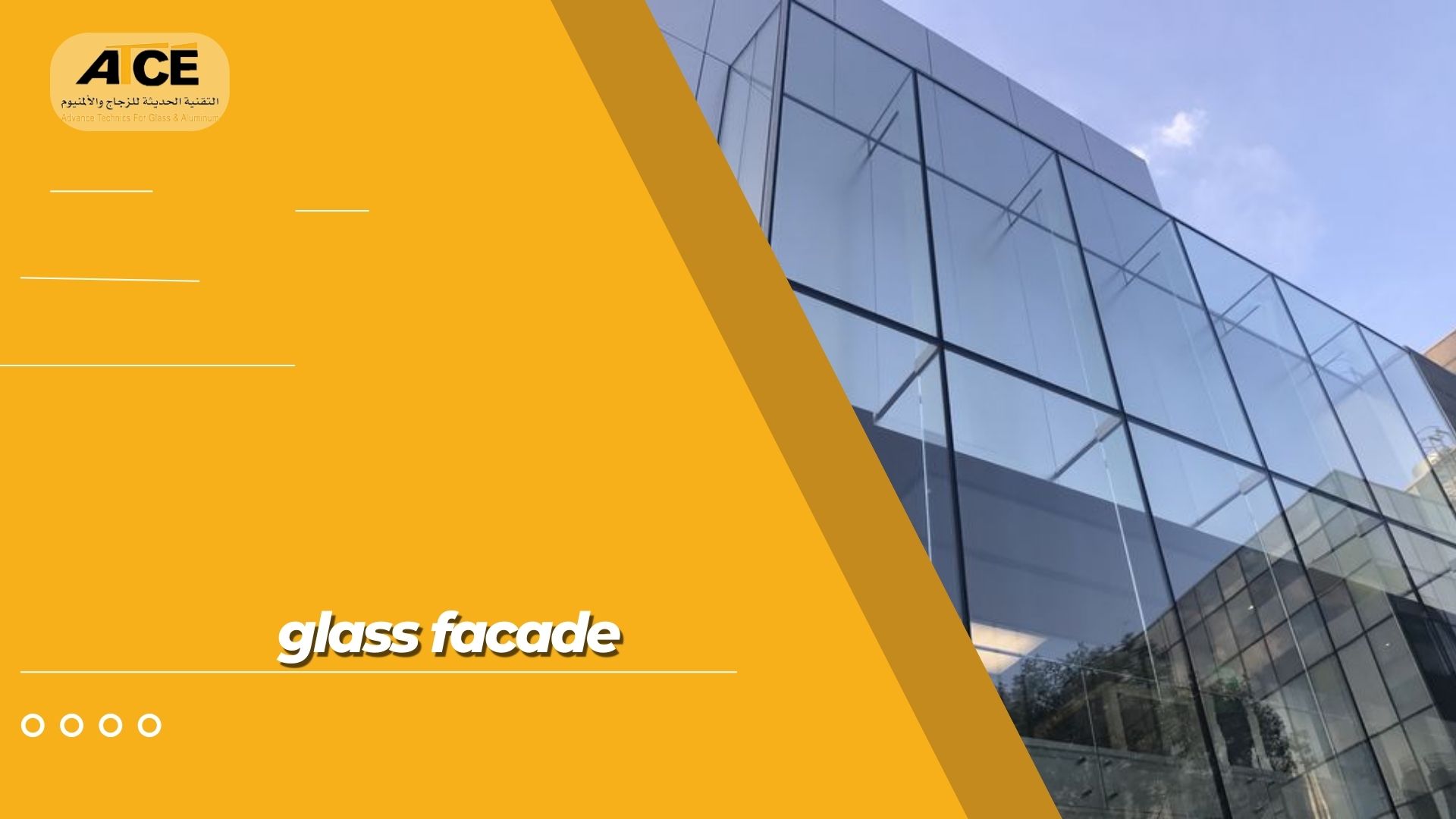
Glass facade systems have become a defining element of modern architecture, offering a perfect combination of aesthetics, functionality, and performance. From commercial towers to corporate offices and mixed-use developments, glass facades create visually striking exteriors while meeting high standards of energy efficiency and structural safety.
Today’s architectural projects rely on advanced glass facade solutions to achieve transparency, daylight optimization, and a strong architectural identity, especially in regions with ambitious urban development such as the Middle East.
What Is a Glass Facade?
A glass facade is an exterior building envelope made primarily of glass panels supported by aluminum, steel, or structural glazing systems. Unlike traditional solid walls, glass facades allow natural light to penetrate deep into the building, creating brighter interiors and a stronger connection between indoor and outdoor spaces.
Modern glass facades are engineered systems, not just decorative elements. They are designed to withstand wind loads, temperature variations, and environmental conditions while maintaining thermal and acoustic performance.

Why Are Glass Facades Popular in Modern Architecture?
Glass facades are widely adopted due to their multiple architectural and functional benefits:
- Enhanced natural lighting, reducing reliance on artificial lighting
- Contemporary and elegant appearance suitable for iconic buildings
- Energy efficiency when combined with insulated or low-E glass
- Flexibility in design, allowing unique shapes and layouts
- Increased property value and visual impact
For commercial and office buildings, glass facades also support productivity by creating well-lit and comfortable work environments.
Types of Glass Facade Systems
There are several glass facade systems used in modern construction, depending on design requirements and building performance goals.
Curtain Wall Systems
Curtain walls are non-load-bearing glass facade systems commonly used in high-rise buildings. They provide excellent weather resistance and can be customized with different glazing types and finishes.
Structural Glazing Systems
Structural glazing allows glass panels to be bonded directly to the structure with minimal visible framing. This system creates a seamless, frameless appearance and is often used in premium architectural projects.
Unitized Glass Facades
Unitized systems are pre-fabricated panels assembled off-site and installed quickly on-site. They are ideal for large-scale projects requiring speed, consistency, and high-quality control.
The Role of Glass Technology in Facade Performance
The performance of a glass facade largely depends on the type of glass used. Modern facade systems incorporate advanced glazing solutions such as:
- Double or triple insulated glass units (IGU)
- Low-emissivity (Low-E) glass for thermal control
- Laminated safety glass for impact resistance
- Solar control glass to reduce heat gain
Working with a specialized Architectural Glass Company ensures the selection of glass that meets safety codes, energy regulations, and project-specific requirements.
Glass Facades and Energy Efficiency
In hot climates, energy efficiency is a critical factor in facade design. Properly engineered glass facades help control heat transfer, reduce cooling loads, and improve overall building sustainability. When combined with shading systems, high-performance glazing, and precise installation, glass facades contribute significantly to green building certifications and long-term operational savings.
Applications of Glass Facade Systems
Glass facade solutions are suitable for a wide range of projects, including:
- Commercial office buildings
- Corporate headquarters
- Hotels and hospitality developments
- Shopping malls and retail centers
- Government and institutional buildings
Each application requires tailored engineering, glazing specifications, and installation methods to ensure durability, safety, and visual harmony.

Importance of Professional Design and Installation
A successful glass facade project depends on more than materials alone. Professional design, engineering analysis, and precise installation are essential to ensure performance and longevity. Expert teams evaluate wind loads, structural movement, thermal expansion, and water drainage before execution.
High-quality installation ensures the facade maintains its appearance and functionality for decades while meeting international safety and quality standards.
Why Glass Facades Are a Long-Term Architectural Investment
Glass facades are not just an architectural trend; they are a long-term investment in building performance and visual identity. By combining advanced glass technology, aluminum systems, and professional execution, glass facades deliver durability, efficiency, and timeless design.
Conclusion
Glass facade systems represent the future of modern architecture, blending transparency, strength, and sustainability. Whether used in landmark towers or contemporary office buildings, glass facades provide unmatched architectural value while meeting the highest performance standards. With the right design approach and expert execution, glass facades transform buildings into iconic structures that stand out in today’s competitive urban landscape.



No comment