

What Is a Manual Roller Shutter Door?
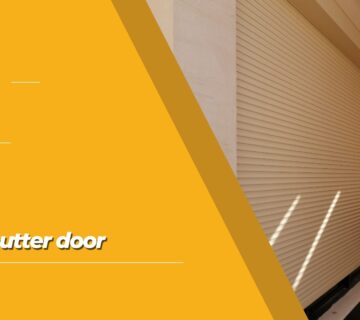
A manual roller shutter door is a versatile and robust system designed to provide secure access and protection for commercial, industrial, and residential spaces. It consists of horizontal slats (usually aluminum or galvanized steel) that roll up neatly into a compact housing above the opening. Operated manually via a spring-assisted mechanism or a hand chain, the system offers a reliable, electricity-free solution for locations where power or automation is unnecessary or impractical.
These doors are widely used for warehouses, retail shops, garages, and storage units where durability and control are priorities. Their interlocking slats deliver strong resistance to impact, dust, and unauthorized entry — ensuring both safety and longevity.
Why Choose Manual Roller Shutter Doors Over Automatic Ones?
Choosing a manual roller shutter door presents several practical advantages. It is a cost-effective option for projects with limited electrical access or strict budget constraints. With no motors or complex electronics, maintenance requirements are reduced and service life is often extended. Manual systems also provide direct, tactile control — valuable for secondary entrances, small openings, or sites where simple operation is preferred. For many facilities, manual shutters act as a dependable secondary security layer alongside automated main entrances, offering redundancy during power outages or maintenance.
For more details about high-quality aluminum roller shutters solutions in Saudi Arabia, visit here.

How Does a Manual Roller Shutter Door Work?
The manual roller shutter door operates through a balanced spring mechanism or a chain-and-pulley system. When lifted, the slats coil around a drum above the opening; when lowered, they interlock to form a solid barrier. Properly adjusted springs balance the door weight, enabling smooth manual operation while minimizing effort.
Professional installation is key: accurate alignment, correct spring tension, and secure fixing of end plates and guides ensure safe, trouble-free service over years of operation.
What Materials and Profiles Are Commonly Used?
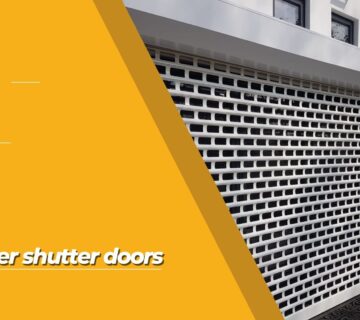
High-quality manual roller shutter doors are commonly fabricated from extruded aluminum or galvanized steel. Aluminum offers corrosion resistance and is especially useful in coastal or humid environments; steel variants deliver higher impact resistance for heavy-duty industrial use. Slat profiles may vary (single-wall, double-wall, perforated for ventilation, or insulated) depending on thermal, acoustic, and security requirements.
Some projects specify matching façade elements from the same supplier so the shutter system integrates visually and functionally with adjacent aluminium doors and windows or glazed storefronts.
What Are the Key Advantages of Manual Roller Shutter Doors?
- Enhanced Security: Robust slat interlock and optional locking bars deter forced entry.
- Energy and Climate Control: When paired with insulated slats, shutters help reduce heat transfer and can improve indoor comfort.
- Space Efficiency: Vertical roll-up design requires minimal overhead clearance.
- Low Maintenance: Fewer moving parts and no motor reduce service needs.
- Customization: Available in bespoke sizes, finishes, and perforation patterns.
These attributes make manual roller shutter doors an excellent choice for small businesses and large facilities seeking a reliable, long-term access solution.
Where Are Manual Roller Shutter Doors Commonly Installed?
Manual roller shutters are suitable in a variety of applications:
- Retail storefronts — secure after-hours protection.
- Warehouses and logistics — durable closure for loading bays.
- Garages and workshops — compact, space-saving entrances.
- Storage facilities and kiosks — simple, reliable security.
In integrated façade projects, shutters often complement systems such as curtain walls or external glazing to maintain both security and aesthetic continuity.
How Do Manual Roller Shutter Doors Complement Interior Shading?
For interior comfort and flexible light control, shuttered openings are frequently paired with window treatments. For example, in office fit-outs where overall daylight management is needed, office roller blinds can be installed behind the shutter assembly (or on the internal face of glazing) to fine-tune glare reduction and privacy during working hours. This layered approach — external shutter for security and insulation, internal blinds for occupant comfort — creates a highly adaptable envelope.

How Does Installing Other Shading Systems Relate to Shutter Use?
While shutters protect and insulate the building envelope, internal shading also matters. In many renovation and retrofit projects, teams coordinate installing roller blinds concurrently with shutter installation to ensure cohesive mounting details, clearances, and access routes. Co-planning these trades improves finishing quality and reduces on-site rework.
When Is Full Darkness Required?
In certain use cases such as media rooms, sleep facilities in shift-worker housing, or secure meeting spaces, complete darkness is necessary. To meet that requirement, operators may combine exterior shutters with interior blackout roller blinds. When drawn, blackout blinds eliminate residual daylight that might pass around shutter edges, delivering the total light control required for specialized environments.
How to Maintain a Manual Roller Shutter Door?
Maintenance is straightforward: periodic cleaning of guides, lubrication of bearings and locks, and inspection of spring tension and slat condition. Prompt adjustment of any imbalance or unusual noise prevents accelerated wear. Most providers offer preventive maintenance contracts to keep manual roller shutter doors operating safely and reliably.

Why Partner with ATCE for Manual Roller Shutter Door Solutions?
ATCE delivers engineered shutter systems tailored to project specifications. As an experienced provider of aluminum façades and access systems in the region, ATCE combines custom fabrication, precise installation, and after-sales support to ensure each manual roller shutter door delivers long-term value. Their integrated approach helps align shutters with windows, doors, and interior shading systems for consistent performance and appearance.


No comment